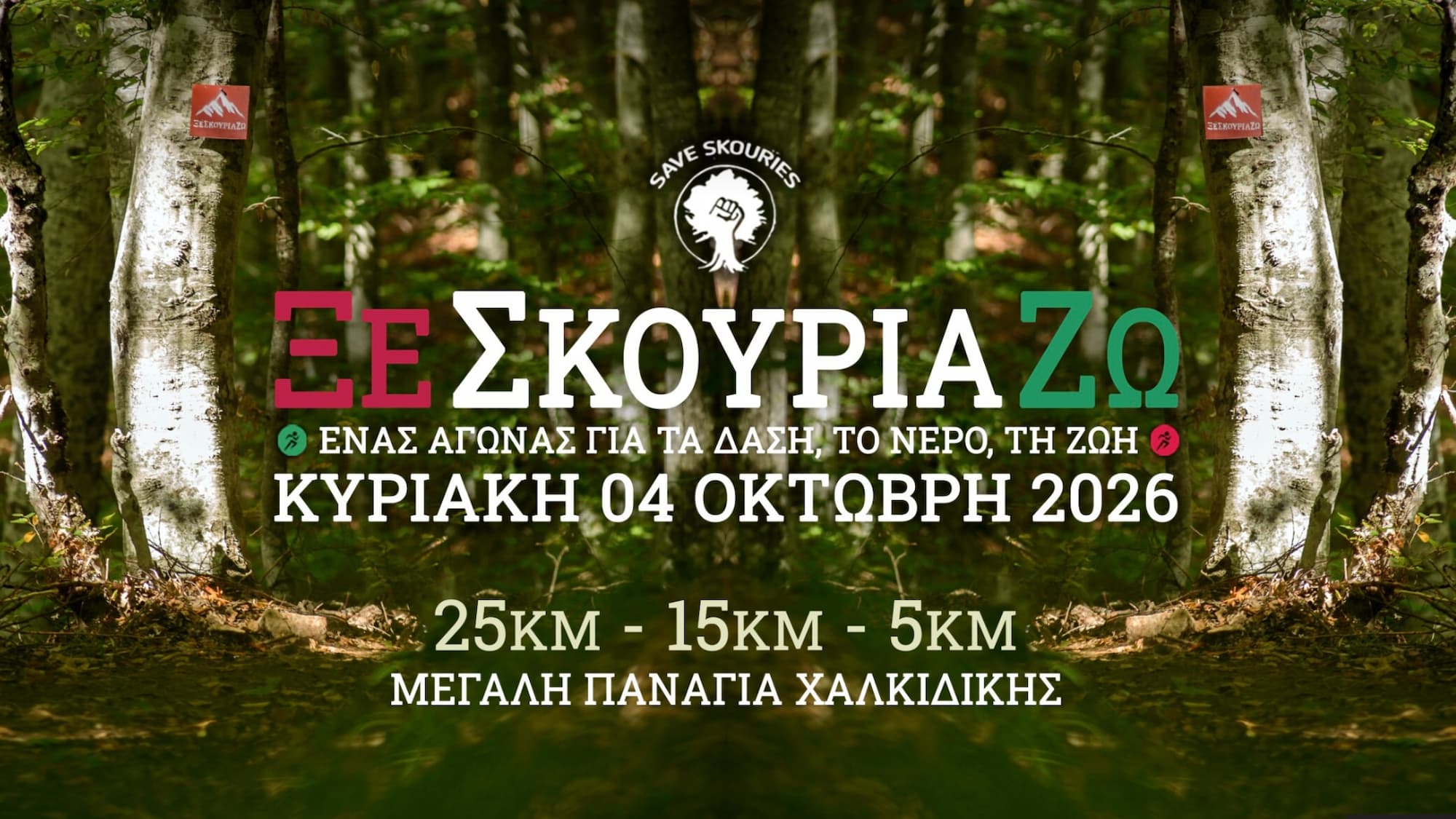
“A race for the forests, the water, and life.” In Megali Panagia, Halkidiki, at the foot of Mount Kakavos and next to the Skouries Forest, “XeSkouriaZo” is one of the two major events as a demonstration against gold mining and destruction of Halkidiki's huge forest.
“Eldorado sees Skouries as its biggest growth story. The locals see a mountain… that’s where the whole story begins.”
The trail begun in a region that has been at the center of the debate over gold and copper mining for years. So, as one might expect, it became directly linked to the defense of the land, the water, and the forest. After all, this is precisely what the slogan accompanying the event all these years has conveyed:
«Ένας αγώνας για τα δάση, το νερό, τη ζωή»: A run [struggle] for the forests, water, and life)
Image retrieved from Xeskouriazo.gr
The Event
“XeSkouriaZo” has been organized by the Megali Panagia Women’s Association since 2013, along the trails of Kakavos.
Spoiler Alert: The year and the location are no coincidence!
The event was conceived at a time when the controversy surrounding mining activity in Skouries had already become deeply ingrained in the daily lives of the residents of northeastern Chalkidiki. From the very beginning, it was more than just a sporting event… Running becomes a way to get to know the place itself.
To venture into the forest. To see the slopes of Kakavos. To walk along its trails and gain a more direct understanding of exactly what it is that a segment of the local community is fighting to protect.
See more about this event in our calendar.
What is at stake in Skouries?
To understand why a struggle has been dedicated for the past thirteen years to “the forests, the water, and life,” one must first look at the mountain itself. Mount Kakavos is not merely the natural backdrop for “XeSkouriaZo.”
It is a forest ecosystem with beech, oak, chestnut, and other broadleaf tree species, featuring streams and groundwater.
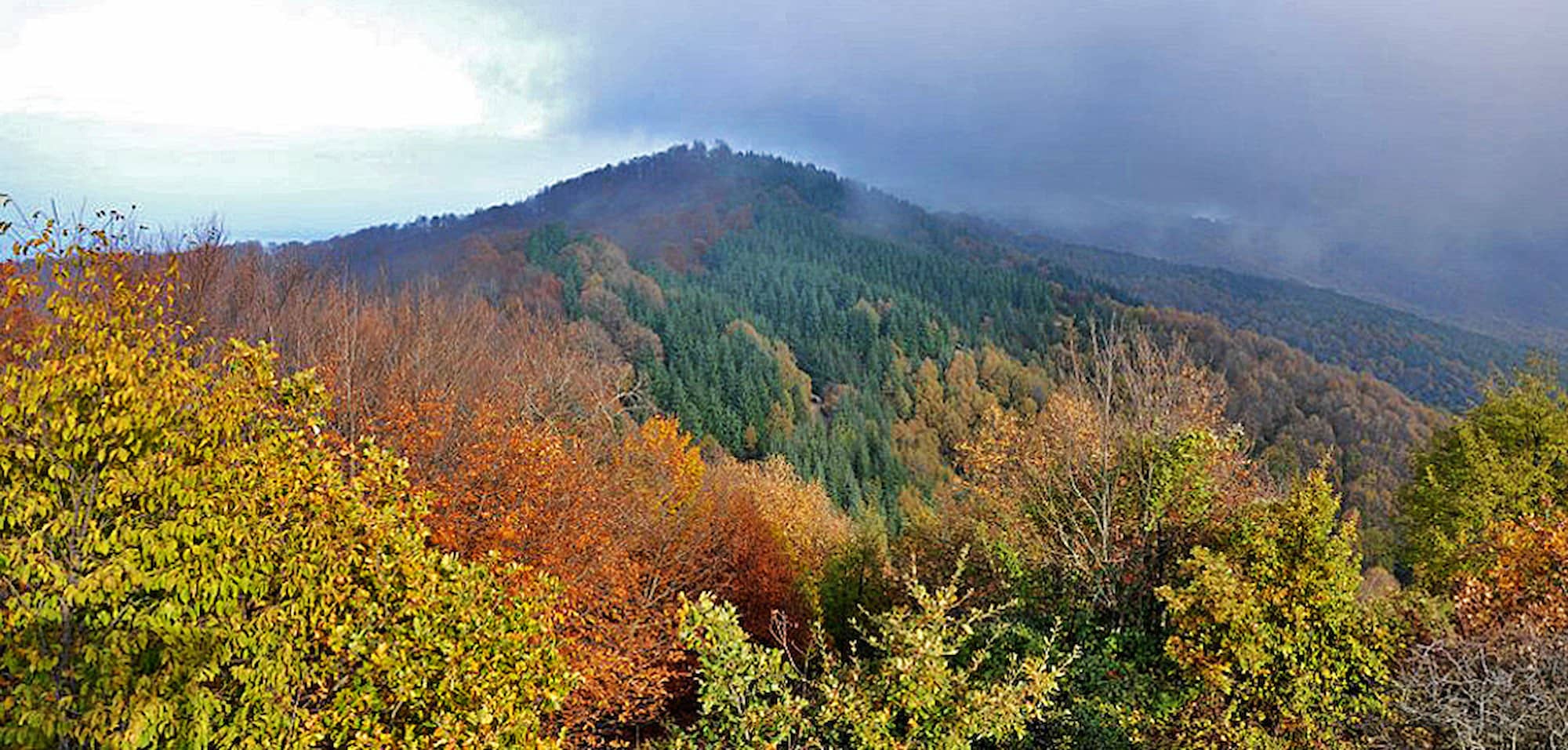
Image retrieved from Natura Graeca
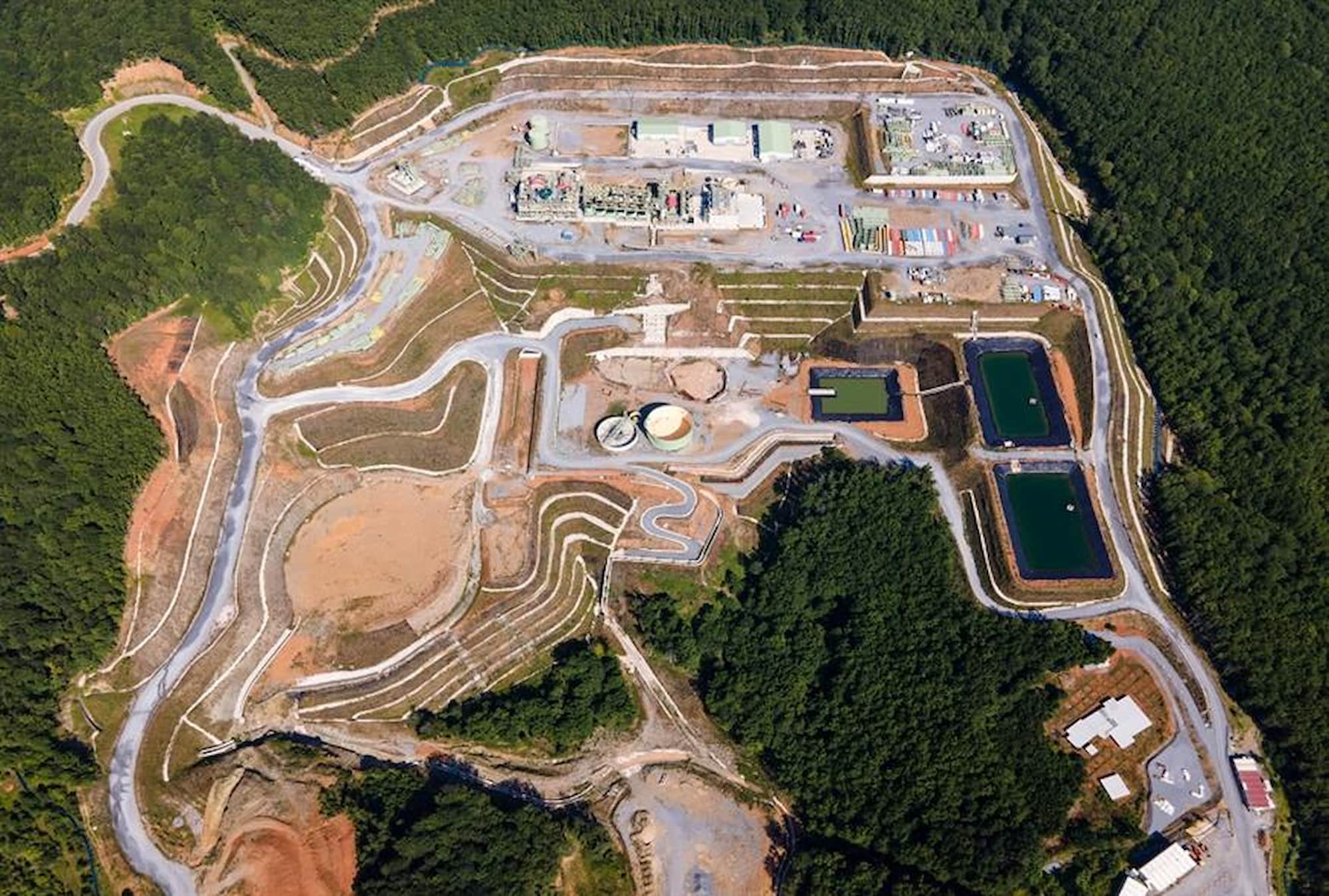
Mining activity in Skouries involves both surface and underground mining.The scale and nature of such an operation have raised a number of environmental concerns.
1. Forest and Soil
The creation of the open pit*, processing facilities, roads, and tailings management infrastructure involves significant disruption to the natural topography and forested areas.
*An open pit (or surface mining) is a method of extracting minerals or rocks from the earth that is carried out directly from the ground surface without the use of underground tunnels.
2. Water
In a mountainous region where surface and groundwater are part of a broader hydrological system, the development of a large mine, the extraction and management of groundwater, and the management of mine tailings have been at the center of the debate regarding both the quantity and quality of water resources.
3. Air pollution
Excavation, blasting, crushing, and the transport of large quantities of rock generate dust and airborne particles. The composition of the rocks in the area makes monitoring these emissions particularly important for both the natural environment and the surrounding communities.
The impacts are linked to a broader ecosystem: to the flora and fauna of Kakavos, to water resources, crops, and beekeeping, as well as to economic activities such as tourism, which depend directly on the quality and image of the natural environment of Halkidiki.
Hellas Gold’s fundamental commitment and obligation is the implementation of “Concurrent Restoration.” This means that the forest and the natural landscape will not simply be restored at the end of the mines’ operational life, but that reforestation and soil remediation are carried out gradually and simultaneously with mining operations.
And the issue has become even more pressing this year, as the Skouries project has now entered a new phase of operation.
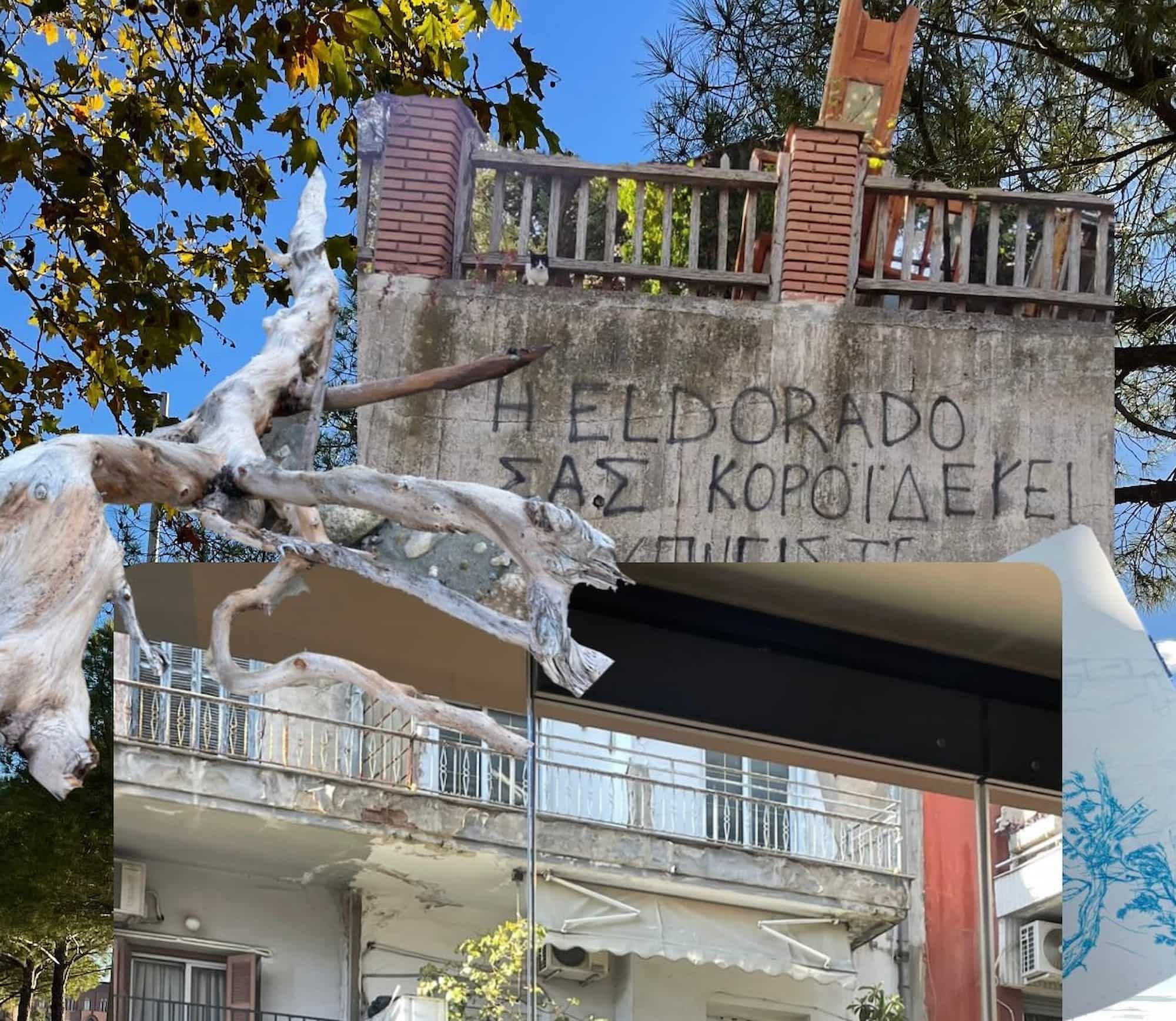
Today
The significance of Skouries, however, is not limited to Chalkidiki. On September 8, 2026, the first copper-gold concentrate was produced, marking the project’s transition from construction to production, while commercial operation is expected in the last quarter of the year. Eldorado Gold forecasts that, over the mine’s lifetime, Skouries will produce an average of approximately 140,000 ounces of gold and 67 million pounds of copper annually.
Greece already accounts for a significant proportion of the company’s portfolio. According to Eldorado’s latest published figures, Skouries and Olympiada account for approximately 43.5% of the group’s total proven and probable gold reserves; if the Perama project is included, the proportion of Greek reserves exceeds 50%. Furthermore, according to Christos Balaskas, chairman of Hellenic Gold, once Skouries reaches full production capacity, it is estimated that approximately 40% of Eldorado Gold’s global turnover will come from Greece.
40% of production, 40% of reserves, 40% of turnover. Impressive figures.
Except that forests, water and the land itself do not fit so easily into an Excel spreadsheet
And it is precisely between these two different perceptions of the value of the same place that the essence of the conflict in Skouries lies.
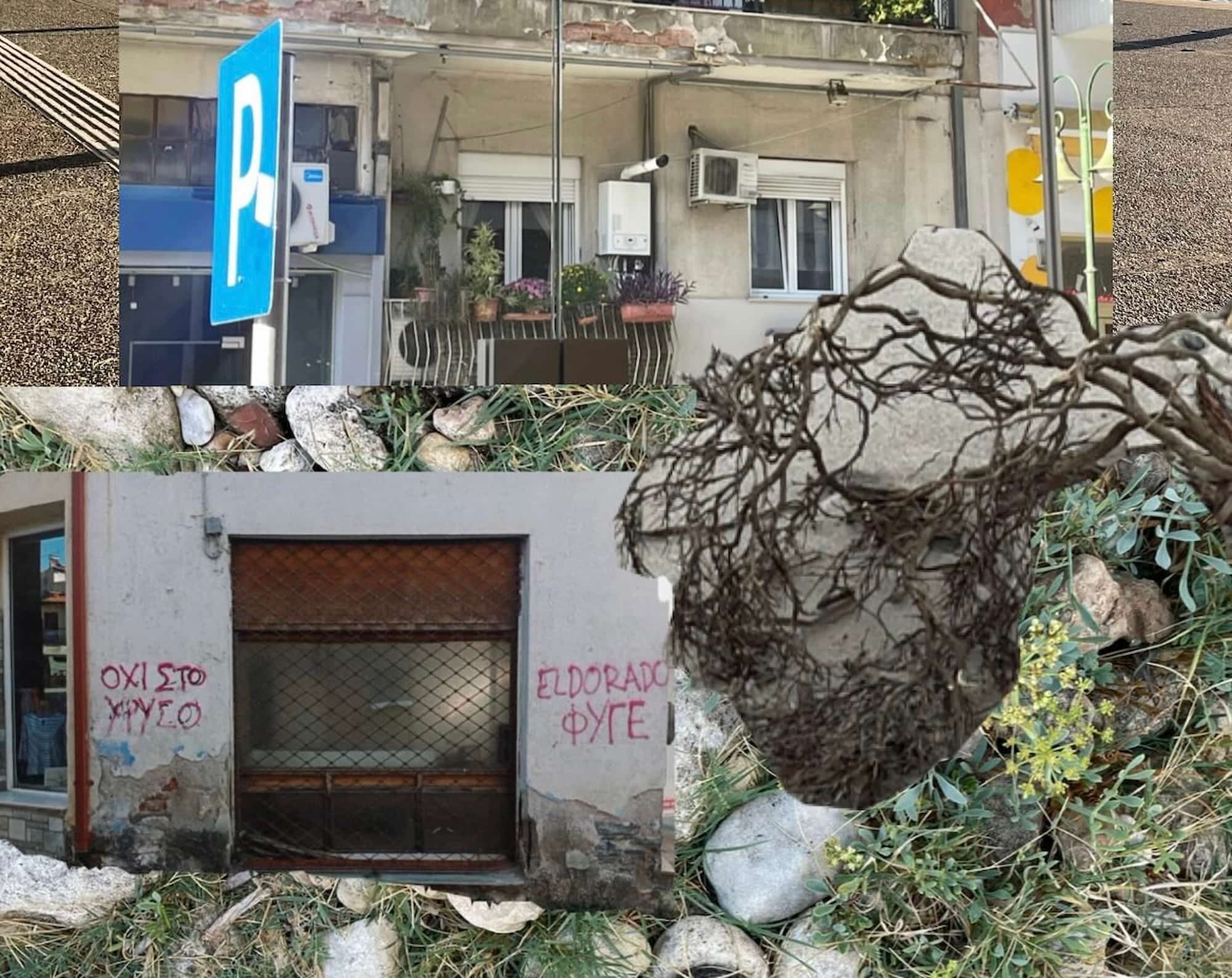
Why ‘Xeskouriazo’?
Even the name itself plays on words. Xe-Skouria-Zo. Skouries is the place. ‘Xeskouriazo’ refers to movement, to the body springing back into action. And within the word itself lies ‘zo' (to live). Perhaps that is why it describes the philosophy of the race so well. Sport, nature and life!
From the square to the trails of Kakavos
On 4 October 2026, ‘Xeskouriazó’ returns for the 13th time.
The meeting point is Horostasi Square in Megali Panagia, and the programme includes three different routes, allowing both experienced trail runners and those who simply want to be part of the day to take part.
The longest route is the 25-kilometre ‘XeskouriaZo’ Trail, with an elevation gain of approximately 1,200 metres, starting at 10:00.
Next is the 15-kilometre mountain race, with 625 metres of elevation gain and a start at 11.30, whilst the 5-kilometre road race, around Megali Panagia, begins at 11.15.
Both mountain routes are now recognised on the international trail running scene. The event is a member of the ITRA, whilst the 25-kilometre race counts towards both the ITRA rankings and the UTMB Index.
It doesn’t end at the finish line
Anyone who views ‘Xeskouriazó’ solely as a race with a start, a set distance and a finish line is missing out on a significant part of the experience. The event is more like a whole day’s gathering in the village. After the prize-giving ceremony, ++the square of Megali Panagia changes its atmosphere and hosts the traditional celebration, this year featuring the band ‘Dromolagnous’++. For those travelling from further afield, there is also the option of free accommodation on the eve of the race at the guesthouses of the Megali Panagia pilgrimage site, as well as free camping on the same grounds. Athletes, volunteers, locals and visitors thus come together not only on the trails, but also in the square.
For some, ‘strategic minerals’. For others, strategically… water and the forest. We are here to remind you:
Nature belongs to no one and belongs to all of us.
So, on 4 October, in Kakavos, we’re not just running for the sake of a fast time!